
Carnation (Dianthus) care tips
- Family: Caryophyllaceae
- Origin: Mediterranean region; exact origin is uncertain

Dianthus, commonly known as carnation, is a highly valued cut flower with a reputation for excellent vase life when handled correctly. Available as both standard carnations with a single large flower and spray carnations with multiple smaller blooms, Dianthus is widely used throughout the floriculture supply chain due to its durability, versatility and year-round availability.
Originally associated with bright pinkish-purple flowers, modern Dianthus varieties are available in a broad range of colours, including red, pink, yellow, green and white. The flowers may have a light, sweet fragrance and are characterised by their distinctive ruffled petals. Their narrow, grey-green to blue-green leaves can grow up to approximately 15 cm long. Dianthus works well as a focal or supporting flower in bouquets and floral arrangements.
The exact origin of Dianthus is uncertain, although the Mediterranean region is commonly associated with the flower. Today, carnations are produced on a large commercial scale, with Colombia being one of the world's leading production countries. Despite their naturally strong vase-life potential, correct post-harvest treatment is essential. In particular, Dianthus is highly sensitive to ethylene, making treatment directly after harvest an important factor in maintaining flower quality throughout the chain.
🔎 Challenges: Ethylene Sensitivity and Maintaining Flower Quality
The main post-harvest challenge for Dianthus is its high sensitivity to ethylene. Exposure can accelerate flower ageing and cause premature petal wilting or flower closure, significantly reducing marketability and vase life. Ethylene can originate naturally from the flowers themselves or from external sources during storage, transport and retail.
Good hygiene and water management are also important. Contaminated solutions can restrict water uptake, while prolonged or incorrect storage conditions can reduce overall flower performance. Flowers that have not received effective post-harvest treatment may open and age more rapidly, resulting in greater losses further down the supply chain.
For growers, wholesalers and florists, preventing these problems means protecting Dianthus immediately after harvest and maintaining clean, correctly dosed solutions throughout handling. A combination of effective ethylene protection, conditioning and flower food helps Dianthus realise its strong natural vase-life potential.
✅ Best Practices & Product Advice per Phase
For growers
Effective post-harvest treatment at the grower is particularly important for Dianthus. Flowers should be treated as soon as possible after harvest to protect them against ethylene and preserve their ability to perform later in the chain.
Recommended product – Grower phase
Chrysal AVB – Helps protect ethylene-sensitive flowers such as Dianthus against the negative effects of ethylene, supporting longer-lasting flower quality.
Chrysal RVB – Supports post-harvest quality and helps maintain strong, fresh flowers after harvest, contributing to reliable performance further down the supply chain.
Key actions
- Treat Dianthus immediately after harvest.
- Use Chrysal AVB for effective protection against ethylene.
- Use Chrysal RVB as part of the recommended post-harvest treatment.
- Maintain clean buckets, equipment and treatment solutions.
- Cool flowers promptly after treatment and maintain the recommended cold chain.
For wholesale
During transport, storage and wholesale handling, the priority is to maintain water uptake and flower quality while minimising unnecessary stress. Keeping Dianthus properly hydrated and working hygienically helps preserve the benefits of the grower's post-harvest treatment.
Recommended products – Wholesale phase
Chrysal Professional 2 / Chrysal CVBN Tablets – Professional 2 supports conditioning and keeps flowers in good condition during distribution, while CVBN Tablets help maintain clean water and support effective hydration.
Key actions
- Store Dianthus at approximately 2–5°C.
- Maintain a consistent cold chain.
- Use clean containers and correctly prepared solutions.
- Avoid unnecessary exposure to ethylene sources.
- Minimise temperature fluctuations and prolonged storage.
For florists
At the florist, Dianthus should be conditioned in a solution that supports water uptake while controlling flower development. Correct treatment helps retain colour and prevents the flowers from opening too quickly, improving saleability and reducing waste.
Recommended products – Florist phase
Chrysal Professional 2 (Bag-in-Box) – Supports conditioning, colour retention and controlled flower opening during storage and display.
Key actions
- Recut 2–3 cm from the stems with a clean, sharp knife or secateurs.
- Remove foliage that would sit below the solution level.
- Place flowers immediately in a clean solution of Professional 2.
- Keep buckets, tools and work surfaces hygienic.
- For arrangements, use Chrysal Professional 3 to provide nutrients for continued flower development.
- Provide sufficient flower food with every bouquet or arrangement.
For consumers (at home)
With correct treatment throughout the professional supply chain, Dianthus can provide an excellent vase life at home. The final step is to maintain clean water, provide sufficient nutrients and protect the flowers from heat and ethylene.
Recommended products – Consumer phase
Chrysal Flower Food sachets – Provides the nutrients required for balanced flower development while helping maintain water quality. Chrysal Universal Flower Food is suitable for carnations.
Care tips for consumers
- Choose fresh carnations that are not already excessively open.
- Cut 2–3 cm from the stems with clean, sharp tools.
- Use a clean vase with fresh water and the correct dose of flower food.
- Keep carnations away from ripening fruit because of their high ethylene sensitivity.
- Avoid direct sunlight, heat sources and draughts.
- Top up the vase with water and flower food when necessary.
Recommended solutions
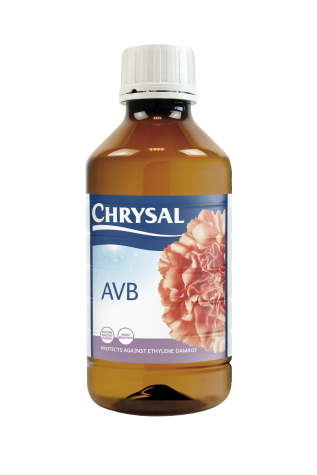
Chrysal AVB

Chrysal Professional 2 Bag-in-box
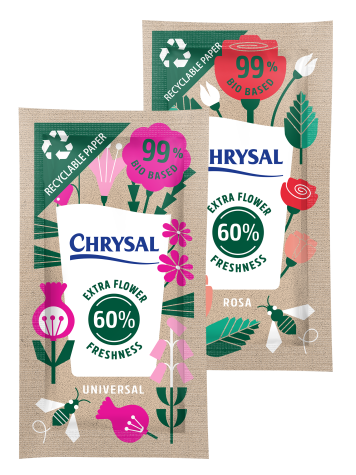
Chrysal bio based flower food in Paper sachet
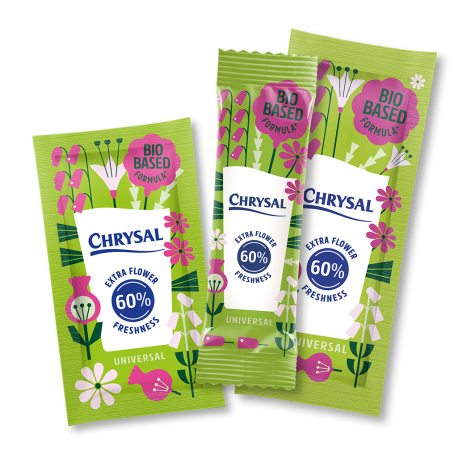
Chrysal bio based flower food in Recyclable sachet
📈 Benefits When Well Treated
Stronger stems and improved water uptake
Correct conditioning helps maintain hydration and supports consistent flower performance.
Reduced contamination
Clean handling and suitable treatment solutions help control microbial growth in buckets and vases.
Longer vase life
Effective ethylene protection combined with correct conditioning allows Dianthus to achieve its excellent vase-life potential.
Less waste across the supply chain
Better protection from harvest through retail reduces premature ageing and quality losses.
Reliable performance in bouquets and arrangements
Controlled opening, good colour retention and strong vase life make properly treated Dianthus a dependable choice for professional floral applications.