Hydrangea care tips
- Family: Hydrangeaceae
- Origin: Asia and the Americas

Hydrangea is a highly valued cut flower known for its large flower heads, rich colours, and strong visual impact. The flower is widely used in premium bouquets, wedding work, event decoration, and seasonal floral arrangements. Due to its impressive bloom size and versatility, Hydrangea remains an important product throughout the floriculture supply chain.
Hydrangeas are available in a wide range of colours including white, blue, pink, purple, green, and antique shades. Two main commercial types are commonly distinguished: the fresh spring and summer Hydrangeas with vibrant colours, and the classic or antique varieties available later in the season, which develop papery textures and vintage colour tones. These characteristics make Hydrangea suitable for both fresh and dried floral applications.
Originally native to Asia and the Americas, Hydrangeas are now cultivated worldwide in both greenhouse and outdoor production systems. Due to their large flower surface and high transpiration rate, Hydrangeas require careful post-harvest management. Proper hydration, conditioning, and hygiene are essential to maintain flower firmness, prevent wilting, and ensure long vase life across the chain.
🔎 Challenges: Wilting, dehydration and water uptake
One of the biggest post-harvest challenges in Hydrangea is its extremely high water demand. Due to the large flower surface and thin petals, Hydrangeas lose moisture rapidly through transpiration. When water uptake is insufficient, flowers can wilt quickly and lose their decorative value.
Another common issue is poor hydration caused by blocked or woody stems. Especially in outdoor-grown Hydrangeas, stem ends can become hard and restrict water uptake. Recutting stems is therefore essential to restore hydration and flower firmness.
Hydrangeas are also sensitive to bacterial contamination in buckets and vases. Poor water quality reduces uptake efficiency and accelerates wilting. In addition, white Hydrangea varieties may develop unwanted blue discoloration when exposed to products containing aluminium sulphate, which can be problematic for wedding and event work.
Without proper hydration management and clean handling practices, these challenges can significantly reduce vase life, flower quality, and customer satisfaction. A structured conditioning approach throughout the supply chain is therefore essential.
✅ Best Practices & Product Advice per Phase
For growers
Maintaining hydration directly after harvest is essential for Hydrangea quality. Rapid cooling and proper conditioning help flowers maintain firmness, colour quality, and transport performance.
Recommended products – Grower phase
Chrysal RVB / Chrysal RVB Clear Intensive / Chrysal Grow 20
Supports hydration, improves water uptake, and helps maintain flower firmness and quality during storage and transport.
Key actions
- Cool flowers rapidly after harvest
- Maintain clean hydration systems and processing areas
- Avoid dehydration during storage and transport
- Use proper conditioning immediately after harvest
- Prevent temperature fluctuations and condensation
For wholesale
Wholesalers play a key role in maintaining hydration and preventing bacterial contamination during transport and storage. Consistent water management is critical for preserving flower quality.
Recommended products – Wholesale phase
Chrysal Professional 2 / Chrysal Professional 2 T-Bag
These solutions maintain clean water, support hydration, and improve shelf life during storage and distribution.
Key actions
- Use clean buckets and fresh solution
- Recut stems before placing in solution
- Store flowers consistently at 2–5°C
- Manage stock according to FIFO principles
- Monitor flowers closely for dehydration symptoms
For florists
Hydrangeas require continuous hydration during the retail phase. Florists should pay close attention to water levels and stem condition to maintain flower firmness and presentation quality.
Recommended products – Florist phase
Chrysal Professional 2 (Bag-in-Box)
Supports rapid hydration, maintains flower firmness, and improves vase life performance.
Key actions
- Keep water levels high and clean
- Recut stems regularly with a sharp knife
- Remove woody stem ends if flowers start wilting
- Avoid products containing aluminium sulphate for white Hydrangeas
- Keep flowers away from heat and direct sunlight
For consumers (at home)
At home, maintaining water uptake is essential for enjoying Hydrangeas as long as possible. Frequent water checks and proper flower food use significantly improve vase life.
Recommended products – Consumer phase
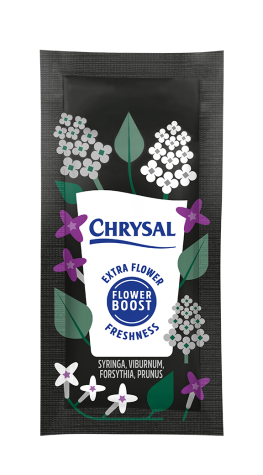
Chrysal Syringa
Supports hydration, maintains flower firmness, and helps flowers remain fresh significantly longer.
Care tips for consumers
- Check water levels daily and refill when needed
- Use flower food with every water refill
- Recut stems 2–5 cm with a clean knife
- Remove woody stem ends if flowers wilt
- Keep away from direct sunlight, heat, and drafts
📈 Benefits When Well Treated
- Improved hydration and flower firmness
Better water uptake helps maintain large flower heads and colour quality - Reduced wilting and dehydration losses
Proper conditioning supports consistent flower performance - Longer vase life
Correct nutrition and hydration significantly extend decorative life - Less waste across the supply chain
Reduced dehydration and contamination lower quality claims and losses - Reliable performance in bouquets and event work
Consistent flower quality improves usability for florists and retailers
Recommended solutions
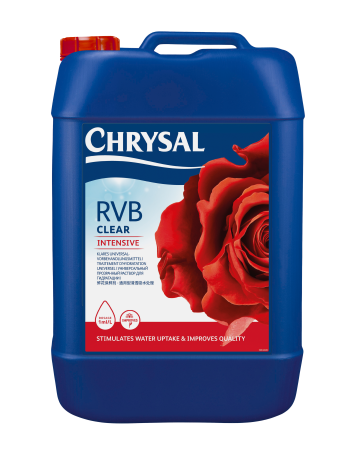
Chrysal RVB Clear Intensive

Chrysal Professional 2 Bag-in-box
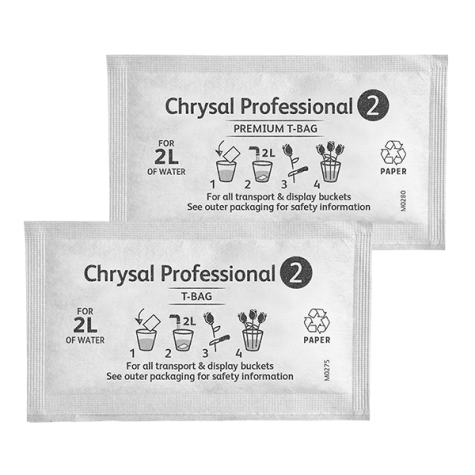
Chrysal Professional 2 T-Bags