Rose care tips
- Family: Rosaceae
- Origin: Native to Asia, with additional species from Europe, North America and North Africa

The rose is without doubt the queen of flowers: luxurious, romantic and a universal symbol of love. With a wide range of cultivars, colours and shapes, roses play a key role in assortments worldwide. Because of their high turnover and emotional value, maintaining quality throughout the supply chain is essential. Proper flower care not only extends vase life but also reduces waste and increases customer satisfaction — from grower to consumer.
🔎 Challenges: bent-neck and Botrytis
One of the most common quality issues in roses is bent-neck. This occurs when the stem directly below the flower head is not strong enough to support the weight of the bloom, causing it to bend. Bent-neck is often linked to insufficient water uptake after harvest and leads to rapid quality loss, complaints and increased waste.
In addition, roses are highly sensitive to Botrytis (grey mould). Under conditions of high humidity or insufficient hygiene, Botrytis can quickly develop on petals and stems. This results in spotting, accelerated aging and reduced shelf life — negatively affecting quality in retail, floristry and at consumer level. Preventing both bent-neck and Botrytis requires a strong post-harvest approach and consistent care throughout the chain.
✅ Best Practices & Product Advice per Phase
Rose care tips for growers
A strong post-harvest start is crucial for roses. Immediate hydration, clean processing and microbial control help ensure optimal water uptake and prevent early quality decline. By focusing on hygiene and hydration from the beginning, growers significantly reduce the risk of bent-neck and limit the development of Botrytis further down the chain.
Recommended product – Grower phase
- Chrysal RVB Clear Intensive – improves water uptake, supports flower development and helps prevent bent-neck and early aging.
Key actions
- Ensure fast and effective hydration after cutting
- Work clean to reduce bacterial and fungal pressure
Rose care tips for wholesale
In wholesale environments, roses must maintain quality during storage, handling and distribution. Controlled hydration, clean buckets and stable conditions help preserve firmness, colour and shelf life. Preventing excess humidity and maintaining hygiene are especially important to reduce Botrytis pressure and to prevent bent-neck.
Recommended products – Wholesale phase
- Chrysal Professional 2 (in buckets) – keeps roses in top condition, supports controlled flower opening and colour retention
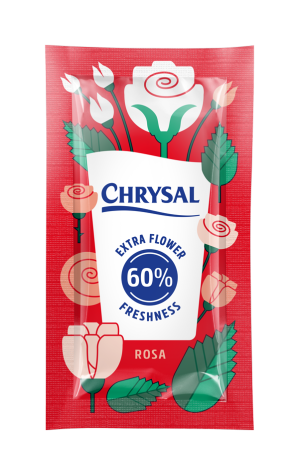
- Chrysal Rosa flower food – for the end consumer
Key actions
- Use clean buckets and correct dosing
- Avoid excess humidity
Rose care tips for florists
For florists, reliability and consistency are essential. Roses must be easy to work with, remain firm during arranging and perform well at the customer’s home. Professional bucket solutions support hydration and flower quality, while clear consumer advice helps extend vase life beyond the point of sale.
Recommended products – Florist phase
- Chrysal Professional 2 Bag-in-Box (in buckets) – ensures optimal hydration and flower quality in the shop
- Chrysal Rosa flower food – to provide to customers for longer vase life
Key actions
- Allow sufficient hydration time before processing
- Leave thorns on where possible to avoid stem damage
- If thorns are removed, do so carefully to minimise injury and contamination
- Take off as many leaves of the stems as necessary to avoid them being in the water
Rose care tips for consumers
At home, simple care steps make a big difference to how long roses stay beautiful. Clean water, proper cutting and the use of flower food help maintain water uptake and slow down aging. Clear instructions ensure consumers enjoy their roses for as long as possible.
Recommended product – Consumer phase
- Chrysal Rosa flower food – supports hydration, flower development and longer vase life
Care tips for consumers
- Cut 2–5 cm off the stems with a clean knife or secateurs
- Remove lower leaves that may sit in the water
- Use a clean vase
- Always use flower food
- Keep roses away from ripening fruit, draughts and direct sunlight
- Top up the vase with water and flower food when the level drops to about one third
📈 Benefits When Well Treated
- Reduced risk of bent-neck and Botrytis
Consistent hydration, hygiene and the right flower care products significantly lower physiological stress and fungal pressure. - Stronger stems and better flower opening
Roses maintain firmness, colour and controlled opening throughout the supply chain. - Less waste and higher efficiency
Improved post-harvest performance leads to lower shrink at wholesale and florist level. - More reliable quality for trade partners
Growers deliver a product that performs consistently further down the chain. - Improved handling for wholesalers and florists
Roses remain workable in buckets and arrangements, saving time and reducing complaints. - Longer vase life for consumers
Proper care results in a noticeably better at-home experience and higher customer satisfaction. - Increased trust and repeat purchases
Better performance strengthens confidence in the point of sale and supports long-term category growth.
Recommended solutions
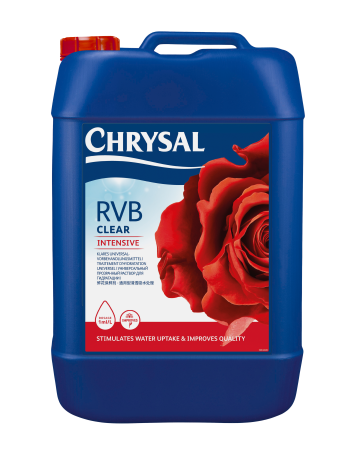
Chrysal RVB Clear Intensive
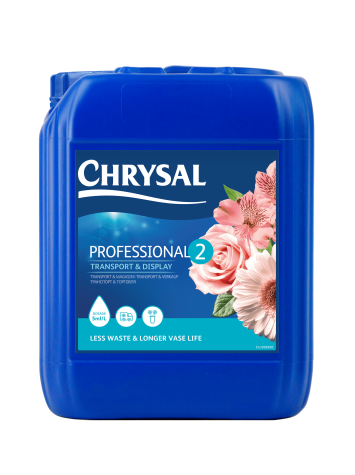
Chrysal Professional 2

Chrysal Professional 2 Bag-in-box
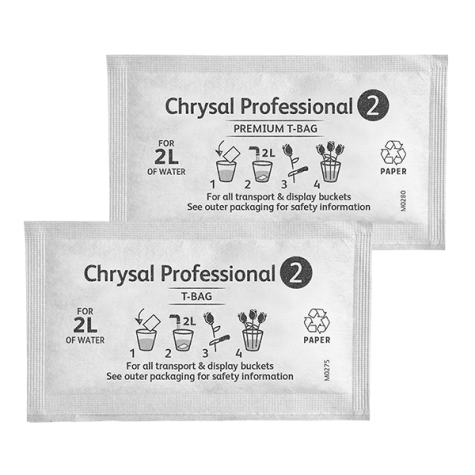
Chrysal Professional 2 T-Bags