Preventing Leaf Yellowing in Cut Flowers: Keep Foliage Green for Longer
Sjoerd Stevens

Fresh, healthy green foliage is an essential part of the overall quality of cut flowers. Whether displayed in a supermarket or at home, consumers associate vibrant green leaves with freshness and premium quality.
Unfortunately, leaf yellowing is a common challenge in several cut flower species. While the blooms themselves may still look beautiful, yellowing foliage can make flowers appear older than they really are. This affects customer perception, increases waste and ultimately impacts profitability throughout the floral supply chain.
Fortunately, with the right postharvest care, leaf yellowing can often be significantly delayed.
What causes leaf yellowing?
After flowers are harvested, they are separated from the mother plant. This interrupts the natural supply of plant growth substances responsible for maintaining chlorophyll—the green pigment that keeps leaves healthy and vibrant.
As chlorophyll gradually breaks down, leaves begin to lose their green colour and eventually turn yellow. This is a natural ageing process, but one that can be accelerated by several factors, including:
- Ethylene exposure
- Light
- Time after harvest
- Suboptimal postharvest handling
Without the proper postharvest treatments, leaf yellowing can develop long before the flowers themselves begin to fade.
Which flowers are most susceptible?
Leaf yellowing occurs in a variety of commercially important cut flowers, including:
- Alstroemeria
- Tulips
- Lilies
- Helianthus
- Eryngium
- Euphorbia fulgens
- Matthiola
- Solidaster
Some species are more sensitive than others, making proper postharvest care especially important to maintain their commercial value.
Why green foliage matters
Consumers buy flowers with their eyes.
A bouquet with vibrant blooms and fresh green foliage immediately communicates quality and freshness. Yellow leaves, however, can reduce the perceived value of the bouquet—even when the flowers themselves still have an excellent vase life.
For growers, wholesalers, florists and retailers, maintaining healthy foliage offers several advantages:
- Better visual presentation
- Reduced waste throughout the supply chain
- Higher customer satisfaction
- Stronger quality perception
- Improved profitability
Small improvements in presentation can have a significant impact on purchasing behaviour.
Prevention starts immediately after harvest
The most effective way to prevent premature leaf yellowing is to begin treatment immediately after harvest.
Specialised postharvest products replenish the natural compounds that flowers no longer receive from the mother plant, helping leaves retain their healthy green appearance throughout transport, storage and display.
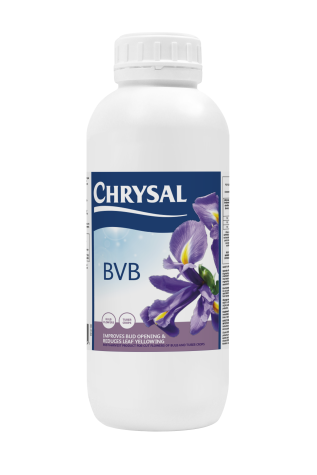
For bulb flowers such as Tulips, Lilies and Alstroemeria, Chrysal BVB has been developed to support leaf quality and significantly reduce the risk of premature yellowing.
Starting with the right treatment at the grower stage lays the foundation for better quality throughout the entire supply chain.
Maintaining quality throughout the supply chain
Protecting foliage quality doesn't end after harvest.
Every stage—from grower to wholesaler, florist, retailer and ultimately the consumer—plays an important role in maintaining flower quality.
During the consumer phase, solutions such as Chrysal Clear Bulbosus and Chrysal L&A Sachets for Lilies and Alstroemeria help maintain green foliage while supporting overall flower performance in the vase.
Providing the correct flower food sachet with every bouquet is a simple but effective way to help consumers enjoy fresher-looking flowers for longer.
Small details create lasting quality
In the floral industry, consistent quality makes all the difference.
Preventing leaf yellowing may seem like a small detail, but it directly influences product presentation, customer satisfaction and waste reduction. By using the appropriate postharvest treatments throughout every stage of the supply chain, flowers remain visually attractive for longer, creating value for every link—from grower to consumer.
Healthy green foliage doesn't just improve appearance; it protects the quality, reputation and commercial value of every bouquet.
Want to keep cut flowers looking their best?
Whether you're a grower, wholesaler, florist or retailer, the right postharvest treatment can make a measurable difference in flower quality, presentation and waste reduction.
Contact our Chrysal specialists to discover which postharvest solutions best fit your floral operation.
Sjoerd Stevens
I have been working at Chrysal for almost two years and have around six years of experience in the flower industry. As a Retail Account Manager, I believe that trust and mutual commitment are the foundation of every long-term partnership.
For me, it’s not simply about selling a product. It’s about working together with our customers to help flowers stay beautiful for longer – throughout the supply chain and ultimately in the consumer’s home.
Building strong relationships and finding practical solutions together is what drives me. Do you have a question or would you like to discuss how Chrysal can support your floral business? Feel free to contact me anytime.
Frequently Asked Questions
What causes leaf yellowing in cut flowers?
Leaf yellowing is a natural process that starts after flowers are harvested. Once separated from the mother plant, flowers no longer receive the natural plant growth substances responsible for maintaining chlorophyll, the green pigment in leaves. As chlorophyll breaks down, leaves gradually lose their green colour.
Which cut flowers are most susceptible to leaf yellowing?
Several cut flower varieties are known to be sensitive to leaf yellowing, including:
- Alstroemeria
- Tulips
- Lilies
- Helianthus
- Eryngium
- Euphorbia fulgens
- Matthiola
- Solidaster
The degree of yellowing varies by species, variety and postharvest handling.
Does leaf yellowing mean the flowers are no longer fresh?
Not necessarily. In many cases, the flowers themselves still have an excellent vase life. However, yellow leaves reduce the visual appeal of a bouquet and can lead consumers to believe the flowers are older than they actually are.
Can leaf yellowing be prevented?
While leaf yellowing is a natural ageing process, it can be significantly delayed with the correct postharvest treatments. Starting immediately after harvest and maintaining proper flower care throughout the supply chain helps keep foliage greener for longer.
Which Chrysal products help prevent leaf yellowing?
For growers, Chrysal BVB helps maintain green foliage in bulb flowers such as Tulips, Lilies and Alstroemeria during the postharvest phase. During the consumer phase, products such as Chrysal Clear Bulbosus and Chrysal L&A Sachets help preserve leaf quality and overall flower performance in the vase.
Why is preventing leaf yellowing important?
Healthy green foliage improves the overall appearance of cut flowers, enhances consumers' perception of freshness and quality, reduces waste and supports better sales performance. For growers, wholesalers, florists and retailers alike, maintaining foliage quality helps maximise the value of every stem.
Recommended solutions
Chrysal BVB
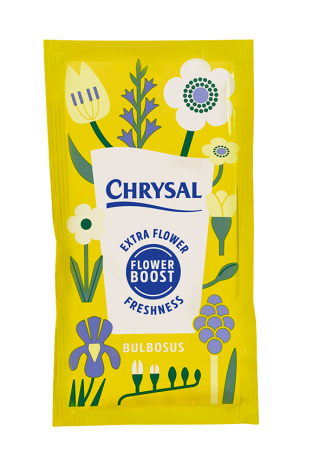
Chrysal Clear Bulbosus