Gypsophila care tips
- Family: Caryophyllaceae
- Origin: Eastern Europe and Central Asia

Gypsophila, commonly known as “Baby’s Breath,” is a widely used filler flower in the global floriculture industry. Its cloud-like appearance and excellent versatility make it an essential product in mixed bouquets, wedding work, retail arrangements, and event floristry. Due to its light structure and volume-building characteristics, Gypsophila remains highly valuable throughout the entire supply chain.
The flower is recognized for its masses of small white blooms, although pink and tinted varieties are also increasingly popular. Gypsophila combines well with almost all major cut flowers, making it a staple product for florists and bouquet makers. Besides fresh applications, it is also commonly used in dried floral arrangements because of its good drying characteristics.
Originally native to Eastern Europe and parts of Central Asia, Gypsophila naturally thrives in alkaline, calcium-rich soils. In the post-harvest phase, however, the flower requires careful handling to maintain freshness, prevent dehydration, and reduce discoloration. Proper hydration and hygiene are essential to ensure optimal performance across the chain.
🔎 Challenges: Dehydration, discoloration and contamination
One of the main post-harvest challenges in Gypsophila is its sensitivity to dehydration. Due to its fine stem structure and high flower volume, insufficient water uptake quickly leads to wilting, browning, and loss of visual quality.
Another important issue is microbial contamination in buckets and transport water. Bacteria can rapidly block stems, reducing hydration efficiency and shortening vase life. This is particularly critical during transport and retail handling, where flowers may remain in solution for extended periods.
Gypsophila is also moderately sensitive to ethylene, which may accelerate aging and flower deterioration under poor storage conditions. In addition, high humidity or condensation during transport can increase the risk of discoloration and Botrytis development.
Without proper post-harvest management, these issues can lead to reduced shelf life, lower bouquet performance, and increased waste throughout the supply chain. A combination of effective conditioning, hygiene, and nutrition is therefore essential.
✅ Best Practices & Product Advice per Phase
For growers
Proper conditioning immediately after harvest is essential to maintain hydration and flower quality. Rapid cooling and the right treatment solutions help Gypsophila maintain its bright appearance and reduce stress during transport and storage.
Recommended products – Grower phase
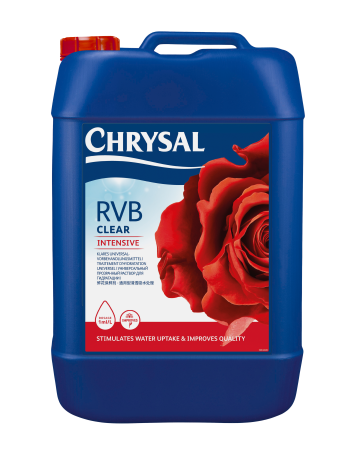
Chrysal AVB / Chrysal OptiGyp / Chrysal RVB Clear
These treatments improve water uptake, support flower freshness, reduce dehydration stress, and optimize transport performance.
Key actions
- Treat flowers immediately after harvest
- Cool rapidly to 2–5°C
- Maintain clean processing and hydration systems
- Avoid condensation and excessive humidity during storage
- Protect flowers from ethylene exposure
For wholesale
Wholesalers play an important role in maintaining hydration and preventing contamination during storage and distribution. Clean water management is critical for maintaining flower quality.
Recommended products – Wholesale phase
Chrysal Professional 2 / Chrysal Professional 3 / Chrysal FlowPro
These solutions maintain water quality, improve hydration, and support longer shelf life during transport and retail handling.
Key actions
- Use clean buckets and fresh solution
- Recut stems before placing in solution
- Store flowers consistently at 2–5°C
- Apply strict hygiene protocols in storage areas
For florists
For florists, Gypsophila must remain airy, fresh, and bright white throughout the sales period. Good hydration management helps prevent browning and premature drying.
Recommended products – Florist phase
Chrysal Professional 2 (Bag-in-Box)
Supports optimal hydration, keeps flowers fresh during display, and extends vase life for consumers.
Key actions
- Hydrate flowers immediately upon arrival
- Remove foliage below water level
- Use clean tools and containers
- Avoid placing flowers near draughts or heat sources
- Advise customers on proper home care
For consumers (at home)
At home, proper care helps Gypsophila remain fresh and decorative for a significantly longer period. Clean water and flower food are essential to maintain flower quality.
Recommended products – Consumer phase
Chrysal Universal flower food (Recyclable / Paper sachets)
Provides nutrients, supports hydration, and helps flowers remain fresh and visually attractive for longer.
Care tips for consumers
- Recut stems before placing in the vase
- Use flower food in clean water
- Remove leaves below water level
- Place in a cool location away from direct sunlight
- Avoid placing near fruit or drafts
📈 Benefits When Well Treated
- Improved hydration and flower freshness
Better water uptake helps maintain the airy structure and bright appearance - Reduced contamination
Cleaner water systems limit bacterial growth and stem blockage - Longer vase life
Proper nutrition and conditioning extend decorative performance - Less waste across the supply chain
Reduced dehydration and discoloration minimize losses - Reliable performance in bouquets and arrangements
Consistent quality improves bouquet presentation and customer satisfaction
Recommended solutions
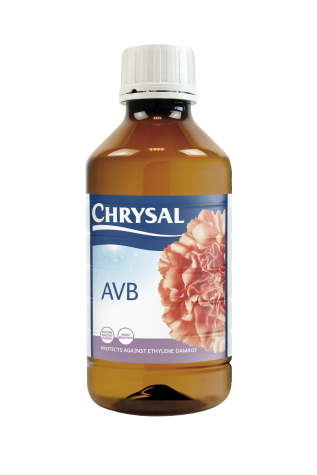
Chrysal AVB